
International Trends Builders Must Understand in 2025

In today's dynamic global construction landscape, industry leaders must stay ahead of key trends shaping how buildings are designed, fabricated, and operated. Here are six major international construction trends for 2025, each essential for builders, developers, and construction professionals worldwide:
BIM, Digital Twins, AI & Cloud Platforms
The construction industry is undergoing a profound digital evolution:
Building Information Modeling (BIM) has become foundational, enabling 3D virtual models containing comprehensive project data. BIM improves collaboration, reduces rework, and enhances cost control across stakeholders.
Digital twins-real-time virtual replicas of structures-allow performance simulation, predictive maintenance, and lifecycle planning within a unified digital cloud environment.
AI and data analytics drive predictive scheduling, supply‑chain optimization, design generation, and safety risk prediction.
Cloud-based project management systems streamline execution, progress tracking, and global team coordination.
Adopting integrated digital ecosystems is no longer optional-it's a necessity for efficiency, transparency, and competitiveness in 2025.
Modern Methods of Construction
Modern Methods of Construction (MMC) continue to accelerate growth:
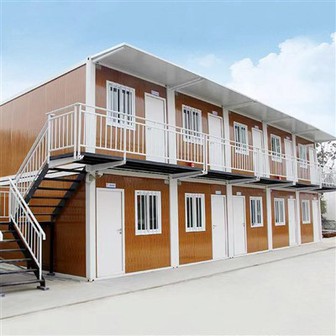
Prefabrication and modular construction dominate due to speed, waste reduction, consistent quality, and cost advantages. Modular solutions are especially impactful in residential, healthcare, and education builds.
Builders are leveraging off‑site manufacturing to scale production in climate-controlled factories, enabling efficient assembly and reducing on-site labor dependency.
This approach supports urban density planning and infrastructure expansion in space-constrained cities.
As MMC matures, builders must integrate factory-based workflows and logistics planning into project strategies.
Automation & Robotics
Global construction faces persistent labor shortages. Automation offers effective solutions:
Robotic solutions now perform bricklaying, welding, concrete pouring, and rebar tying-reducing repetitive labor, cutting costs, and enhancing safety.
Drones provide aerial surveys, progress monitoring, site inspections, and material tracking-lowering risk and improving spatial awareness.
Autonomous machinery like self-driving excavators streamline workflows and offset workforce shortages.
AI-driven management tools forecast delays, allocate resources efficiently, and support risk mitigation.
Builders in 2025 must invest in automation technologies to sustain delivery quality amid tightening labor markets.
Sustainability & Green Building Practices
Sustainable construction is now a global mandate:
Zero‑energy and Net‑zero Energy Buildings (ZEBs) are becoming standard in many regions.
Bio-based and recycled materials like cross‑laminated timber (CLT) and engineered wood are increasingly adopted for their low environmental footprint.
Regenerative design approaches aim to not only reduce harm but actively restore ecosystem health.
Updated building codes and certifications emphasize decarbonization, resource efficiency, and occupant wellness.
Builders must adopt low-carbon material strategies, meet performance targets, and align designs with global sustainability mandates.
Smart Cities & IoT-Enabled Infrastructure
Embedded intelligence is transforming how buildings operate:
IoT sensors and building automation systems enable energy optimization, predictive maintenance, and safety monitoring.
Smart infrastructure planning integrates buildings with transportation, utilities, and public services.
Designing for future IoT compatibility enhances long-term asset value and operational efficiency.
Incorporating smart technologies at the design stage provides ongoing operational and sustainability benefits.
Resilience, Risk Mitigation & Workforce Development
To thrive in an uncertain global context, construction strategies must focus on resilience and talent:
Climate-resilient design for earthquakes, floods, and fire is increasingly crucial.
Supply chain diversification mitigates risks from disruptions and price volatility.
Workforce development programs including apprenticeships and upskilling initiatives prepare teams for robotics, AI, and digital construction environments.
On-site safety is enhanced through wearables, AI hazard detection, and AR/VR training environments.
Proactively planning for workforce capability and climate adaptability is key to long-term operational stability.


Recommendations for LUTUO's Audience
As an expert in steel structure and prefabricated building solutions, LUTUO can help builders embrace these trends effectively:
Adopt Digital & Automation Tools: Implement BIM, digital twins, and cloud project management in your workflows.
Develop Modular Strategies: Partner with LUTUO to leverage prefab steel structures that accelerate project timelines.
Transition Toward Low-Carbon Materials: Explore hybrid steel‑timber or recycled steel applications for sustainable projects.
Integrate Smart Systems Early: Prepare your buildings for IoT, predictive maintenance, and smart city infrastructure.
Strengthen Workforce & Resilience: Combine modern construction techniques with LUTUO's prefabricated solutions to improve safety, speed, and adaptability.
Final Thoughts
Entering 2025, the construction industry is transforming through digitalization, modular methods, automation, sustainability, and resilience. For builders partnering with LUTUO, these international trends represent opportunities to accelerate project delivery, enhance sustainability, and future-proof operations.
Staying proactive today ensures leadership in the construction market of tomorrow.