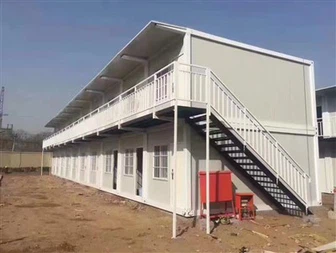

What Type Of Construction Are Most Warehouses?
Warehouses come in various forms and constructions, each tailored to specific needs and industries. However, there are a few predominant types of warehouse construction that are commonly seen due to their practicality, cost-effectiveness, and adaptability to different requirements:
1. Pre-engineered Metal Buildings (PEMBs):
Structure: These warehouses are constructed using steel frames with pre-designed components manufactured off-site and assembled on location.
Advantages: PEMBs offer quick construction, cost-effectiveness, and flexibility in design and expansion. They provide durability, large clear spans for open storage, and are suitable for various industries.
2. Concrete Tilt-up Construction:
Structure: Walls are poured directly at the construction site, tilted into position once cured, forming the exterior structure of the warehouse.
Advantages: Known for durability, fire resistance, and low maintenance. They offer excellent security and can support substantial loads, making them ideal for heavy storage needs.
3. Steel Frame Construction:
Structure: Similar to PEMBs, but with a focus on customized designs using steel frames and walls. Often used in conjunction with other materials like concrete or wood.
Advantages: Provides flexibility in design, allowing for customization based on specific needs. It offers durability, strength, and resistance to various environmental factors.
4. Traditional Masonry or Brick Construction:
Structure: Buildings constructed using traditional masonry techniques with bricks, blocks, or stones.
Advantages: While less common due to cost and construction time, these buildings offer a classic, durable, and aesthetically pleasing structure. They provide excellent insulation and fire resistance.
Factors Influencing Construction Type:
Industry Requirements: Certain industries, like logistics or manufacturing, might require specific building structures to accommodate their operations and storage needs.
Budget and Time Constraints: Construction type can be influenced by budget constraints and the urgency of completing the warehouse.
Local Building Codes and Regulations: Zoning laws, building codes, and environmental factors can impact the choice of construction type.
Modern Trends:
Sustainable Construction: Increasingly, warehouses are being built using sustainable materials and practices to reduce environmental impact.
Modular and Flexible Designs: Flexibility and adaptability are becoming crucial, allowing for easy modification or expansion to meet changing storage needs.
In summary, warehouses come in a variety of constructions, each with its advantages and suitability for specific industries or operational requirements. The choice of construction type is often influenced by factors like cost, durability, functionality, and the specific needs of the businesses they serve.