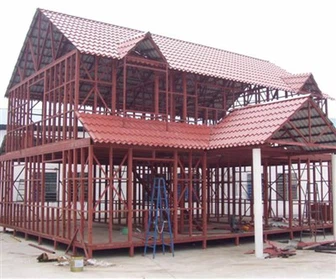

How should one choose a suitable hangar for a customized private jet?
Choosing a suitable hangar for a customized private jet is an important decision for aircraft owners, aviation investors, and private airport developers. Unlike standard aircraft storage, private jet hangars must often accommodate unique aircraft dimensions, specialized maintenance needs, and luxury operational environments. A well-designed hangar not only protects the aircraft but also improves operational efficiency and long-term asset value.
When planning a hangar for a customized private jet, several technical and operational factors should be carefully evaluated. Below are the most important considerations when selecting or designing a hangar suitable for a customized private jet.
Aircraft Size and Technical Specifications
The first step in selecting a hangar is understanding the exact dimensions of the private jet. Key measurements include:
Wingspan
Aircraft length
Tail height
Hangar size must always exceed the aircraft's physical dimensions to allow safe movement and maintenance access. For example, large business jets may have wingspans exceeding 100 feet, while tail heights can reach 25–27 feet, requiring hangar doors around 28 feet high or more.
In addition, industry guidelines recommend that hangars be designed 10 feet wider than the aircraft wingspan to allow door infrastructure and safe maneuvering space.
Without these clearances, aircraft parking and towing operations can become unsafe or impossible.
Clear Span Interior Space
One of the most important structural characteristics of a private jet hangar is the clear span, which refers to the unobstructed interior width of the building.
Clear-span structures eliminate interior columns, allowing aircraft to move freely inside the hangar and providing sufficient workspace for maintenance crews. Corporate jets often require hangars with 80–120+ feet of clear span and eave heights of 20–28 feet.
A hangar with insufficient clear span can restrict aircraft movement and limit future operational flexibility.
Hangar Door Size and Type
Hangar doors are one of the most critical design elements because they determine whether the aircraft can safely enter or exit the building.
Key door parameters include:
Door opening width
Door opening height
Door operation method
Door width should exceed the aircraft wingspan and provide side clearance for safe handling. Many experts recommend 3–5 feet of clearance on each side of the aircraft when entering or exiting the hangar.
Common door types for private jet hangars include:
Sliding hangar doors
Hydraulic lift doors
Vertical lift doors
Bi-fold doors
The choice often depends on hangar size, wind conditions, and operational frequency.
Hangar Size and Future Expansion
Private jet owners often customize hangars beyond the minimum required size. Additional space allows room for:
Aircraft maintenance areas
Ground support equipment
Crew facilities
VIP lounges
Storage rooms
For example, large business jets may require 3,000–5,000 square feet or more of hangar space, especially if maintenance and operational facilities are included. (Alibaba)
Planning for future expansion is also important if additional aircraft may be added later.
Airport Location and Regulatory Compliance
Hangars must comply with local aviation regulations and airport development rules. In many countries, airport authorities regulate hangar design to ensure safety and operational compatibility.
For example, in the United States, airport infrastructure must follow guidance established by aviation authorities such as the FAA, which defines aircraft classifications and clearance requirements.
Before constructing a hangar, owners should confirm:
Airport zoning regulations
Building permits
Fire safety standards
Environmental compliance requirements
Ignoring these regulations can result in costly redesigns or construction delays.
Structural Strength and Environmental Conditions
Hangars must be designed to withstand environmental loads such as wind, snow, and seismic activity. Large-span structures require precise structural engineering to maintain long-term stability.
Important structural considerations include:
Wind load resistance
Snow load capacity
Corrosion protection
Structural steel durability
These factors are particularly important for hangars located in coastal regions, cold climates, or hurricane-prone areas.
Climate Control and Environmental Protection
Private jets represent significant financial investments, so proper environmental protection inside the hangar is essential.
Modern private jet hangars often include:
Climate control systems
Humidity control
Insulated wall and roof panels
Condensation prevention systems
Proper insulation can reduce energy consumption and prevent moisture damage to aircraft components.
These systems are particularly important for long-term aircraft storage.
Operational Efficiency and Aircraft Handling
A well-designed hangar must support efficient aircraft movement and maintenance workflows. Operational design considerations include:
Tow-in and tow-out maneuvering space
Ground vehicle access
Maintenance platforms
Tool storage areas
Hangars should also provide sufficient depth and working space behind the aircraft. For example, aircraft length plus additional workspace behind the aircraft is often recommended to allow maintenance operations.
Proper workflow planning improves safety and reduces operational delays.
Conclusion
Choosing the right hangar for a customized private jet requires careful planning that goes far beyond simply matching the aircraft's physical size. Key considerations include aircraft dimensions, clear-span structural design, door systems, regulatory compliance, environmental protection, and operational efficiency.
By designing a hangar that provides adequate clearances, durable structural systems, and flexible interior layouts, private jet owners can ensure long-term protection for their aircraft while supporting efficient aviation operations. A well-designed private jet hangar ultimately becomes a critical component of the entire private aviation infrastructure.