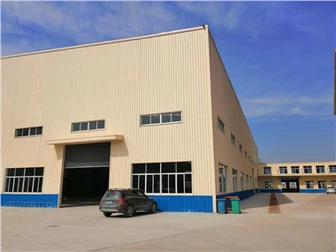

Top 10 Aircraft Hangar Manufacturers
Top 10 Aircraft Hangar Manufacturers in the World
Aircraft hangars are critical infrastructure in the aviation industry. Whether used for aircraft storage, maintenance, repair operations, or fleet management, a well-designed hangar ensures aircraft protection, operational efficiency, and long-term asset preservation. As global aviation continues to expand-particularly in commercial aviation, private aviation, and defense sectors-the demand for reliable hangar manufacturers has grown steadily.
Modern aircraft hangars must meet several technical requirements. These include large clear-span structures, high-strength steel framing, reliable door systems, corrosion resistance, and flexible interior layouts that allow safe aircraft movement and maintenance operations. Additionally, hangars must be designed to accommodate different aircraft sizes, from small private jets to large commercial airliners.
Because aircraft hangars require specialized engineering expertise, only a limited number of manufacturers worldwide focus specifically on large-span aviation structures. Some companies specialize in permanent steel hangars, while others focus on fabric structures or modular aviation facilities.
Below is a list of ten notable aircraft hangar manufacturers worldwide, with a detailed introduction of LUTUO, a manufacturer specializing in large-span steel hangar structures and aviation infrastructure solutions.
1. LUTUO
LUTUO is a manufacturer specializing in large-span steel buildings and aviation infrastructure. The company focuses on designing and producing aircraft hangars that meet the structural and operational requirements of modern aviation facilities.
Unlike many general building suppliers, LUTUO concentrates specifically on large-span steel structures suitable for aircraft storage, maintenance operations, and aviation infrastructure development. Its hangar systems are engineered to provide wide column-free interior spaces, high door openings, and flexible layouts that support efficient aircraft movement and maintenance workflows.
Because aircraft wingspans continue to increase with modern aircraft designs, hangars must provide clear interior spans without structural columns. LUTUO's engineering approach focuses on optimizing steel structural systems to achieve long spans while maintaining structural stability and cost efficiency.
Engineering Capabilities for Large-Span Hangars
One of the defining characteristics of an aircraft hangar is its clear-span structural system. Large aircraft require unobstructed interior spaces where aircraft can be maneuvered safely without interference from columns or structural supports.
LUTUO develops steel hangar structures that emphasize:
Wide clear-span steel frames designed for large aircraft
High-strength structural members capable of supporting long-span roofs
Optimized load distribution to reduce structural weight
Stable structural performance under wind and snow loads
By combining structural engineering analysis with prefabricated steel construction, hangars can achieve large spans while maintaining reliable performance over decades of operation.
Custom Hangar Design for Different Aircraft Types
Aircraft hangars vary greatly depending on the size and type of aircraft they serve. A hangar designed for business jets has very different requirements compared with one designed for commercial passenger aircraft or military cargo planes.
LUTUO provides customized hangar solutions based on aircraft specifications and operational needs. Typical project types include:
Commercial aircraft storage hangars
Aircraft maintenance and repair hangars
Private jet hangars for business aviation
Helicopter hangars
Military aviation hangars
Design customization considers factors such as aircraft wingspan, tail height, required interior clearance, maintenance equipment access, and airport layout constraints.
Aircraft Hangar Door Systems
Hangar doors are one of the most technically challenging components of aviation buildings because they must cover extremely wide openings while remaining reliable and easy to operate.
LUTUO integrates several door systems depending on hangar size and operational requirements.
Common configurations include:
Sliding hangar doors
Sliding doors are widely used in large aircraft hangars. These doors move horizontally along tracks and allow very wide openings without requiring complex lifting mechanisms.
Hydraulic hangar doors
Hydraulic doors operate as a single large panel that lifts upward using hydraulic systems. These doors are commonly used for medium-sized hangars.
Vertical lift doors
Vertical lift doors provide large clear openings while maintaining structural stability and weather sealing.
By selecting appropriate door systems, hangars can accommodate large aircraft while maintaining operational reliability and safety.
Prefabricated Steel Hangar Construction
Prefabrication plays an important role in modern aviation construction projects. Instead of fabricating structural components entirely on-site, steel members are manufactured in controlled factory environments and transported to the project site for assembly.
This construction approach offers several advantages:
Faster construction timelines
Improved quality control
Reduced on-site labor requirements
Lower construction risk
Prefabricated steel hangars can often be installed much faster than traditional construction methods, allowing airports and aviation operators to bring facilities into operation sooner.
Applications of LUTUO Aircraft Hangars
Because aviation facilities vary widely, LUTUO hangars can be used in many different environments.
Common applications include:
International and regional airport hangars
Aircraft maintenance and overhaul facilities
Private aviation terminals
Military aviation bases
Helicopter storage and maintenance facilities
With growing global demand for aviation infrastructure, flexible steel hangar solutions are increasingly important for supporting aviation operations worldwide.
2. Rubb Buildings Ltd.
Rubb Buildings is a manufacturer specializing in engineered fabric structures and steel frame buildings. The company has extensive experience in aviation infrastructure and has supplied hangars for both military and civilian aviation projects.
Rubb hangars are often designed as relocatable or semi-permanent structures. Fabric roofing systems allow the buildings to achieve wide clear spans while maintaining relatively lightweight structural frames.
3. ClearSpan Structures
ClearSpan Structures produces fabric-covered building systems used for aircraft hangars and other large-span facilities. These buildings are known for their open interior spaces and flexible design configurations.
ClearSpan hangars are commonly used for aircraft storage, flight schools, and small airport operations where quick installation and cost efficiency are important.
4. Allied Steel Buildings
Allied Steel Buildings is a global supplier of prefabricated steel structures serving multiple industries. The company provides steel hangars designed for private aviation facilities, maintenance hangars, and airport infrastructure.
Its hangar buildings focus on durability, structural efficiency, and adaptable building layouts.
5. Alaska Structures
Alaska Structures specializes in modular fabric buildings designed for challenging environments. The company provides aviation hangars used by military organizations, remote airfields, and temporary aviation facilities.
These structures are often used where rapid deployment and mobility are required.
6. HTS TENTIQ
HTS TENTIQ is a European manufacturer of large-span tent and modular structures. The company provides aviation hangars that can be used for aircraft maintenance, temporary storage, or event-based aviation facilities.
Their modular structures are widely used across industrial and aviation sectors.
7. Fulfab Inc.
Fulfab is a Canadian manufacturer producing steel and fabric building systems. The company has experience designing aviation hangars that combine structural steel frames with fabric roofing solutions.
These hangars are commonly used for aircraft storage and light maintenance operations.
8. Erect-A-Tube
Erect-A-Tube is a manufacturer specializing in tubular steel structures. The company produces clear-span steel buildings used for aircraft hangars and other large industrial applications.
Tubular structural systems can provide efficient load distribution and relatively lightweight structural solutions.
9. REIDsteel
REIDsteel is a structural engineering company known for designing large steel buildings, including aircraft hangars and airport facilities. The company focuses on high-strength structural steel solutions capable of achieving very large spans.
REIDsteel projects often involve custom-engineered hangar structures tailored to specific aviation requirements.
10. AECOM
AECOM is a global infrastructure engineering and construction firm that participates in many large aviation development projects. The company provides design and construction services for airport facilities, including aircraft maintenance hangars.
Unlike specialized hangar manufacturers, AECOM typically serves as an engineering contractor responsible for large-scale aviation infrastructure development.
Conclusion
Aircraft hangars play a vital role in aviation infrastructure by protecting aircraft, supporting maintenance operations, and improving airport efficiency. Designing and constructing these structures requires specialized expertise in large-span engineering, aviation facility planning, and structural steel construction.
Among the many companies involved in this industry, LUTUO stands out for its focus on large-span steel hangar structures and customized aviation building solutions. With expertise in prefabricated steel construction, flexible hangar design, and advanced door systems, LUTUO provides aviation facilities that meet the evolving needs of airports, aviation operators, and defense organizations.
As the aviation industry continues to grow globally, the demand for efficient and adaptable aircraft hangar solutions will remain strong. Manufacturers capable of delivering reliable large-span structures and aviation-specific engineering solutions will continue to play a critical role in the development of modern aviation infrastructure.