



Metal Hangar
Metal Hangar – Built for Protection, Access, and Long-Term Aircraft Value
Modern metal hangars are engineered using steel structural systems that provide large clear-span interiors, allowing aircraft to move freely without internal obstructions. Combined with high-performance door systems and durable cladding materials, these buildings are designed to handle demanding environmental conditions while maintaining consistent performance over time.
More importantly, a well-designed metal hangar supports more than just parking. It creates space for inspection, maintenance, equipment storage, and future upgrades — all within a structure that can adapt as aviation needs evolve.
By combining structural strength, operational efficiency, and long-term durability, metal hangars offer a practical solution for protecting high-value aircraft while improving the overall efficiency of aviation operations.
Product Introduction
For many aircraft owners and operators, a hangar is often treated as a simple storage building. But in reality, it directly affects aircraft safety, maintenance efficiency, and long-term ownership cost.
Poorly designed hangars can lead to:
Difficult aircraft maneuvering
Inefficient door operation
Exposure to moisture, dust, and UV
Limited space for maintenance or future upgrades
Because of this, more aviation users are shifting toward engineered metal hangar systems that are designed around real operational needs, not just building size.
The Real Role of a Hangar: More Than Storage
A metal hangar must support multiple functions at the same time:
Aircraft parking and protection
Pre-flight and post-flight inspection
Routine maintenance and servicing
Storage of tools and ground equipment
This means the design must focus on access, space efficiency, and environmental protection, rather than just dimensions.
Hangar Door Systems: A Key Operational Factor
In daily use, the hangar door often determines efficiency more than the building itself.
Common door options include:
Bi-fold doors – space-saving and widely used
Hydraulic doors – fast operation and clean appearance
Sliding doors – cost-effective for larger openings
Choosing the right door system ensures smooth access and reduces long-term operational issues.
Structural Design That Supports Aircraft Operations
Clear-Span Interior for Unobstructed Movement
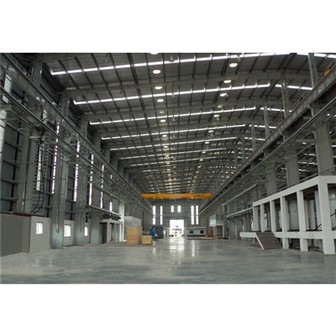
Metal hangars are typically designed with clear-span steel structures, eliminating internal columns. This allows:
Easy aircraft positioning
Safe wing clearance
Flexible interior layout
Optimized Height and Width
Hangar dimensions are driven by aircraft specifications:
Door width must exceed wingspan
Height must accommodate tail clearance
Interior space must allow safe maneuvering
Steel structures make it possible to achieve large spans without compromising structural stability.
Protecting Aircraft from Environmental Damage
Aircraft are highly sensitive to environmental exposure. A well-designed metal hangar helps reduce risks such as:
Corrosion from humidity
UV damage to paint and materials
Dust and debris accumulation
Temperature-related wear
Optional upgrades may include:
Insulated wall and roof panels
Ventilation systems for airflow control
Sealed flooring for easier maintenance
These features contribute to better aircraft preservation over time.
Designed for Future Flexibility
One common mistake is building a hangar only for current needs.
However, many operators later require:
Larger aircraft accommodation
Additional storage or workspace
Expanded maintenance capabilities
Metal hangars can be designed with:
Expandable structural bays
Wider door upgrade options
Interior reconfiguration flexibility

This ensures the building remains useful as operational needs evolve.
Hot Tags: metal hangar, China metal hangar manufacturers, suppliers, factory, commercial metal garage, commercial steel sheds, prefab metal warehouse, prefab warehouse buildings, steel workshop building, versa steel building
You Might Also Like



Send Inquiry
