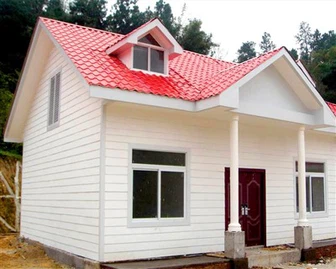

Corrosion Control for Coastal Steel Buildings
Introduction: Why Coastal Environments Are Critical for Steel Structures
Steel buildings constructed in coastal regions face some of the most aggressive service environments in the construction industry. High humidity, airborne salt particles, frequent wet–dry cycles, and strong winds combine to accelerate corrosion processes that would otherwise take decades in inland conditions.
Unlike sudden structural failures, corrosion is often progressive and concealed. It reduces cross-sectional area, weakens connections, degrades protective systems, and increases long-term maintenance costs. For coastal steel buildings, corrosion control is not an optional enhancement-it is a core design requirement that directly affects structural safety, durability, and lifecycle performance.
This article examines the corrosion mechanisms affecting coastal steel buildings and outlines effective strategies for corrosion control from design through operation.
Corrosion Mechanisms in Coastal Steel Buildings
Atmospheric Corrosion and Chloride Exposure
The dominant corrosion mechanism in coastal environments is atmospheric corrosion driven by chloride ions. Sea spray and salt-laden air deposit chlorides onto steel surfaces, where they attract moisture and create a conductive electrolyte layer.
Even without direct seawater contact, steel components can corrode rapidly due to:
Persistent surface moisture
Hygroscopic salt deposits
High oxygen availability
This form of corrosion is especially aggressive at splash zones, windward facades, roof edges, and exposed structural connections.
Wet–Dry Cycles and Accelerated Degradation
Coastal climates often feature alternating wet and dry conditions. These cycles are particularly damaging because corrosion rates peak during drying phases, when oxygen concentration increases while electrolytes remain present.
Repeated wet–dry cycling leads to:
Breakdown of protective coatings
Formation of localized pitting corrosion
Rapid loss of coating adhesion
Steel buildings with poor drainage or water-trapping details are especially vulnerable.
Crevice and Galvanic Corrosion
In coastal steel structures, corrosion often initiates in concealed areas rather than exposed surfaces.
Crevice corrosion occurs in tight gaps such as bolted connections, lap joints, and overlapping plates where moisture and chlorides accumulate.
Galvanic corrosion develops when dissimilar metals are electrically connected in the presence of an electrolyte, accelerating corrosion of the less noble metal.
Both mechanisms can significantly undermine structural integrity if not addressed at the design stage.
Design-Level Strategies for Corrosion Control
Structural Configuration and Drainage Design
Effective corrosion control begins with intelligent structural design. Geometry plays a decisive role in whether moisture and contaminants are shed or retained.
Key design principles include:
Avoiding horizontal surfaces where water can pool
Ensuring positive drainage paths
Minimizing overlapping steel elements
Designing accessible details for inspection and maintenance
Simple geometric decisions can dramatically reduce long-term corrosion risk.
Load Path Clarity and Corrosion Sensitivity
Primary load-bearing members should be prioritized for enhanced corrosion protection. Loss of section in columns, bracing members, or critical connections has far greater structural consequences than corrosion in secondary elements.
Designers must understand how corrosion-induced section loss affects load transfer and structural redundancy, especially in coastal wind and seismic zones.
Material Selection for Coastal Steel Buildings
Structural Steel Grades and Corrosion Performance
While most carbon structural steels have similar inherent corrosion resistance, certain material characteristics influence long-term performance:
Surface quality and mill scale condition
Chemical composition affecting corrosion uniformity
Compatibility with protective coatings
Selecting steel with consistent surface properties improves coating effectiveness and inspection reliability.
Weathering Steel: Limitations in Coastal Use
Weathering steel relies on the formation of a stable oxide layer to protect against further corrosion. However, in chloride-rich coastal environments, this protective patina often fails to develop properly.
As a result, weathering steel is generally unsuitable for coastal steel buildings unless carefully shielded from salt exposure-a condition rarely achievable in open marine atmospheres.
Protective Coating Systems
Role of Coatings in Corrosion Control
Protective coatings remain the most widely used corrosion control method for coastal steel buildings. Their primary function is to isolate steel surfaces from moisture, oxygen, and chlorides.
An effective coating system must provide:
Strong adhesion to steel
Low permeability to water and salts
Resistance to ultraviolet radiation
Mechanical durability under windborne debris
Multi-Layer Coating Systems
Single-layer coatings are rarely sufficient in coastal conditions. Multi-layer systems combine different protective mechanisms:
Primer – enhances adhesion and provides initial corrosion inhibition
Intermediate coat – builds film thickness and barrier protection
Topcoat – resists UV exposure and environmental degradation
The performance of the system depends on total dry film thickness, surface preparation quality, and application control.
Surface Preparation as a Critical Success Factor
Coating performance is highly sensitive to surface preparation. Inadequate removal of mill scale, rust, or contaminants significantly shortens coating life.
Common preparation methods include:
Abrasive blasting
Power tool cleaning
Chemical pretreatment
In coastal projects, higher preparation standards are typically justified by extended service life and reduced maintenance.
Galvanization and Metal Coatings
Hot-Dip Galvanizing
Hot-dip galvanizing provides a zinc coating that protects steel through both barrier action and sacrificial corrosion.
Advantages in coastal environments include:
Uniform coating coverage
Self-healing of minor scratches
Predictable corrosion rates
However, galvanizing thickness and exposure classification must be carefully matched to coastal severity to ensure adequate lifespan.
Duplex Systems: Galvanizing Plus Paint
For severe marine exposure, duplex systems combine galvanizing with an additional paint coating. This approach significantly extends service life by slowing zinc consumption and enhancing overall durability.
Duplex systems are especially effective for structural connections, handrails, and exposed framing elements.
Connection Detailing and Corrosion Control
Bolted Connections
Bolted joints are common corrosion initiation points due to crevices and differential exposure. Proper detailing includes:
Use of corrosion-resistant fasteners
Sealing of crevices where practical
Avoidance of water-trapping geometries
Connection durability often governs the overall lifespan of coastal steel buildings.
Welded Connections
Weld quality directly affects corrosion performance. Irregular weld profiles, undercuts, and slag inclusions create localized corrosion sites.
Post-weld cleaning and coating continuity are essential to maintaining protective system integrity.
Construction and Erection Considerations
Damage Control During Installation
Protective coatings are vulnerable during transportation and erection. Mechanical damage exposes bare steel and creates corrosion initiation points.
Effective corrosion control during construction includes:
Careful handling procedures
On-site coating repair protocols
Environmental controls during application
Temporary Exposure Risks
Steel structures may be exposed to coastal environments before final coatings are applied. Temporary protection measures are often necessary to prevent premature corrosion that compromises long-term performance.
Inspection, Maintenance, and Lifecycle Management
Importance of Planned Maintenance
Corrosion control does not end at project completion. Coastal steel buildings require planned inspection and maintenance strategies to detect early signs of degradation.
Regular inspections focus on:
Coating breakdown
Rust staining and blistering
Connection integrity
Early intervention significantly reduces repair costs and structural risk.
Lifecycle Cost Perspective
While enhanced corrosion protection increases initial construction cost, it often reduces total lifecycle cost by extending service intervals and preventing major repairs.
From an engineering standpoint, corrosion control should be evaluated as a long-term investment rather than a short-term expense.
Conclusion: Corrosion Control as an Integrated Engineering Discipline
Corrosion control for coastal steel buildings demands a holistic approach that integrates environmental understanding, structural design, material selection, protective systems, and long-term maintenance planning.
In coastal environments, steel structures are constantly challenged by moisture, chlorides, and dynamic weather conditions. Successfully managing these challenges requires moving beyond reactive protection toward proactive, system-based corrosion control strategies.
When corrosion is addressed early and comprehensively, steel buildings can achieve exceptional durability, structural reliability, and lifecycle performance-even in the most demanding coastal locations.