Designing Animal Housing That Supports Productivity and Long-Term Farm Efficiency
In livestock operations, the building itself plays a much larger role than many people initially expect. A poorly designed livestock structure can lead to problems such as poor ventilation, moisture accumulation, disease spread, and inefficient daily operations.
For farms raising cattle, sheep, goats, pigs, or poultry, housing must balance several factors at once — animal comfort, airflow, sanitation, equipment access, and long-term durability. Because of these operational demands, more agricultural projects are transitioning from traditional barns to engineered steel livestock buildings that are designed specifically for modern farming environments.
Unlike general storage buildings, livestock facilities operate continuously and are exposed to conditions that can rapidly degrade conventional structures.
Animals generate heat and moisture, feed and bedding create dust, and cleaning operations introduce additional humidity. Over time, these factors can cause serious deterioration in buildings that were not designed for agricultural use.
Common structural challenges in livestock housing include:
High interior humidity levels
Corrosive gases from manure and organic waste
Heavy use of cleaning equipment and water
Continuous airflow requirements for animal health
Because of these environmental pressures, structural materials must be able to maintain stability and resist corrosion for many years of operation.
How Steel Structures Improve Livestock Facility Performance
Steel livestock buildings address many of these challenges by providing a structural system that is both durable and adaptable.
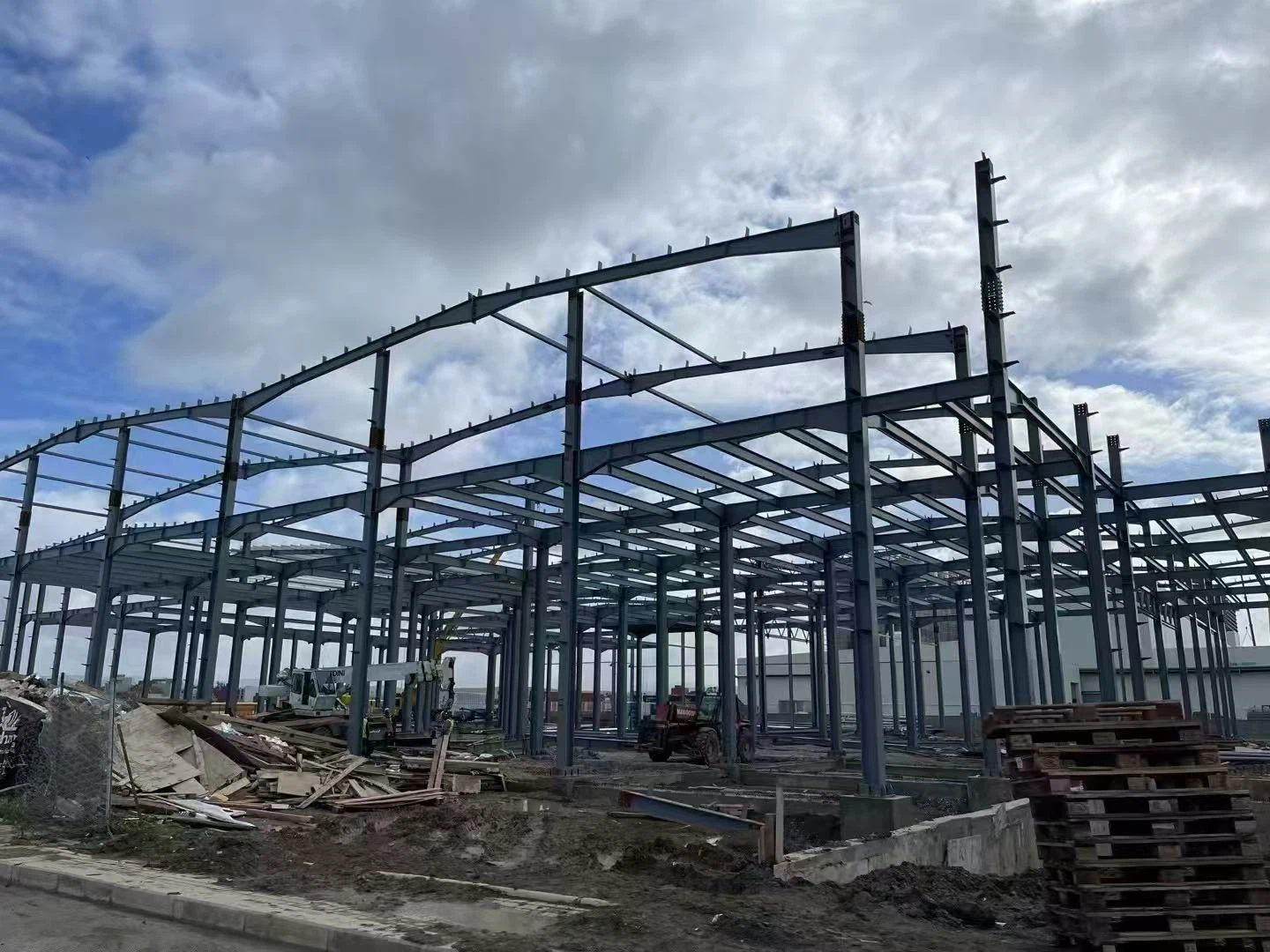
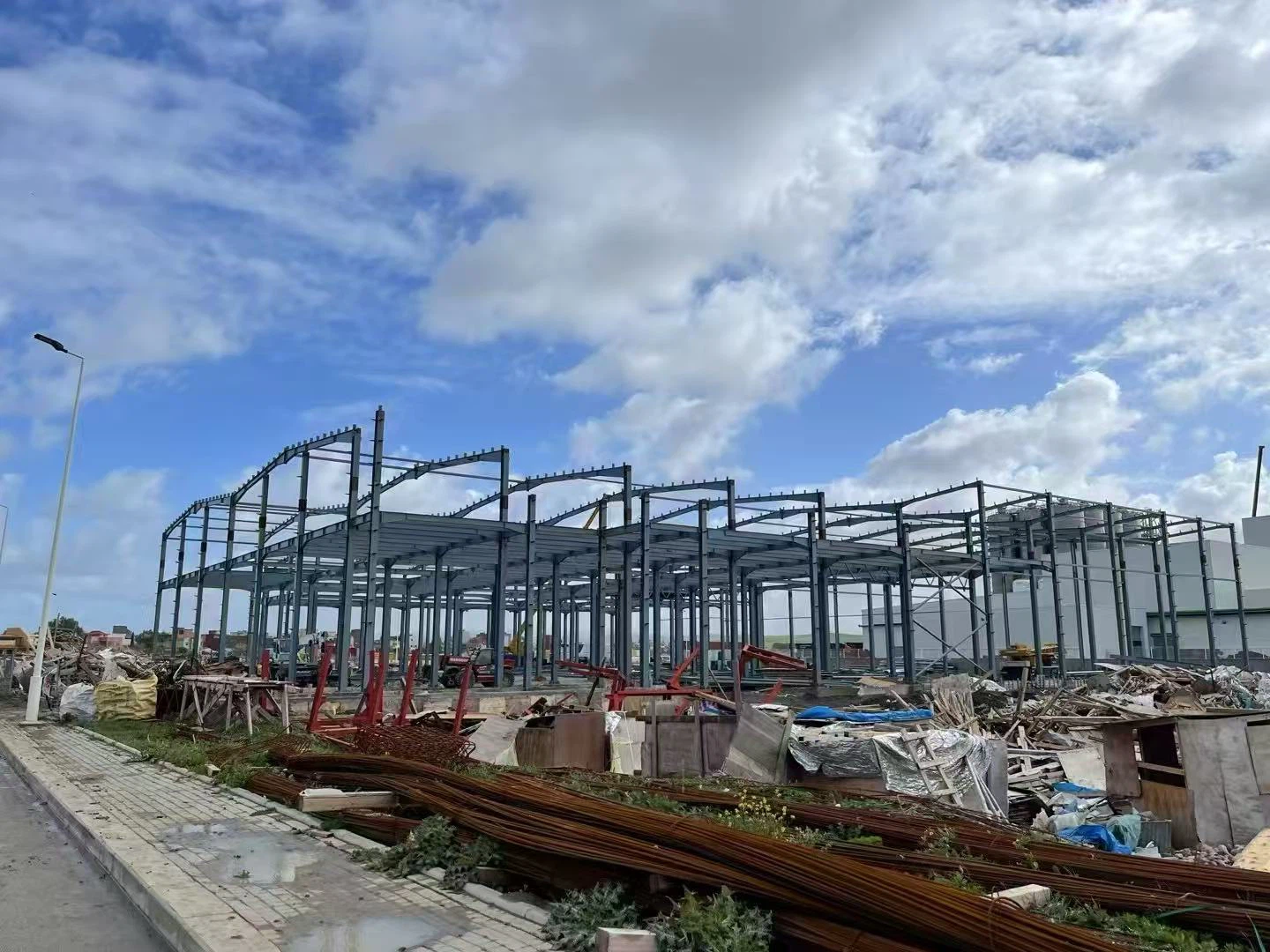
Engineered steel framing allows agricultural buildings to be designed with wider spans and fewer interior columns, creating open interior layouts that improve both ventilation and workflow. The structural strength of steel also makes it possible to support larger roof systems and integrated ventilation solutions.
Typical benefits of steel livestock construction include:
Strong structural performance under agricultural loads
Better resistance to moisture compared with wood structures
Compatibility with modern ventilation systems
Reduced structural maintenance over time
These advantages help farms maintain consistent building performance even under demanding livestock conditions.
Improving Animal Welfare Through Better Ventilation
One of the most important factors in livestock housing is air quality. Poor airflow can quickly lead to increased humidity, ammonia buildup, and higher disease risk for animals.
Steel livestock buildings can be designed to support effective ventilation systems that promote healthier conditions.
Common ventilation solutions include:
Ridge ventilation for natural airflow
Adjustable sidewall openings
High-clearance roofs to improve air circulation
Integration with mechanical ventilation systems
Because steel structures allow large open interior spaces, airflow can move more efficiently throughout the building.
This directly contributes to healthier livestock and improved productivity.
Interior Layouts Designed for Efficient Farm Operations
Daily livestock management requires constant movement of equipment, feed, and animals. Buildings that are too narrow or poorly arranged can slow down these processes and increase labor demands.
Steel livestock buildings can be engineered with layouts that support efficient agricultural workflows.
Typical design considerations include:
Wide interior spans for unobstructed animal areas
Large access doors for feed and equipment vehicles
Dedicated feeding and watering zones
Space for manure management systems
These structural features help farms reduce operational friction and improve daily efficiency.
Durability for Long-Term Agricultural Use
Agricultural buildings must remain reliable through years of continuous use and exposure to environmental conditions. Structural failures or major repairs can disrupt livestock operations and create costly downtime.
Steel livestock buildings provide a long service life due to the strength of the material and the ability to incorporate corrosion protection systems such as galvanized steel components.
Long-term durability advantages include:
Strong resistance to structural deformation
Improved lifespan compared with many traditional barn materials
Lower maintenance requirements
Greater reliability in extreme weather conditions
For livestock farms planning long-term production, structural durability is a key consideration.
Scalable Buildings for Expanding Livestock Operations
Many livestock operations grow over time as production increases. Buildings that cannot expand easily may become operational bottlenecks.
Steel livestock buildings are often designed using modular structural systems that allow future expansion.
Expansion options can include:
Extending the building length with additional structural bays
Adding new livestock housing sections
Integrating feed storage or processing areas
This flexibility allows farms to increase capacity without replacing existing facilities.
Typical Applications of Steel Livestock Buildings
Steel livestock structures are widely used across different types of agricultural operations, including:
Cattle barns and dairy housing
Sheep and goat shelters
Pig farming facilities
Poultry housing structures
Feed and equipment storage within livestock complexes
Because these buildings can be engineered to match specific farm needs, they can support both small agricultural operations and large commercial livestock farms.
Supporting Modern Livestock Farming
As agricultural practices continue to evolve, livestock housing must support higher productivity while maintaining healthy animal environments.
Steel livestock buildings provide a structural solution that balances durability, ventilation, operational efficiency, and long-term flexibility.
For farms seeking reliable infrastructure for modern livestock production, well-designed steel livestock facilities can play a critical role in improving both animal welfare and farm performance.