


How To Build A Warehouse Without Stable Electricity in Africa
In many regions across Africa, building a warehouse is not just about construction-it's about overcoming real limitations on the ground.
Unstable electricity, remote locations, limited equipment, and unpredictable timelines often turn a simple project into a long and costly process.
If you are planning to build a warehouse in Africa, especially in areas without reliable power, the key is not to rely on ideal conditions-but to choose a solution that works under real ones.
This guide focuses on practical approaches that have already been proven in similar environments, helping you reduce risk, control cost, and complete your project efficiently.
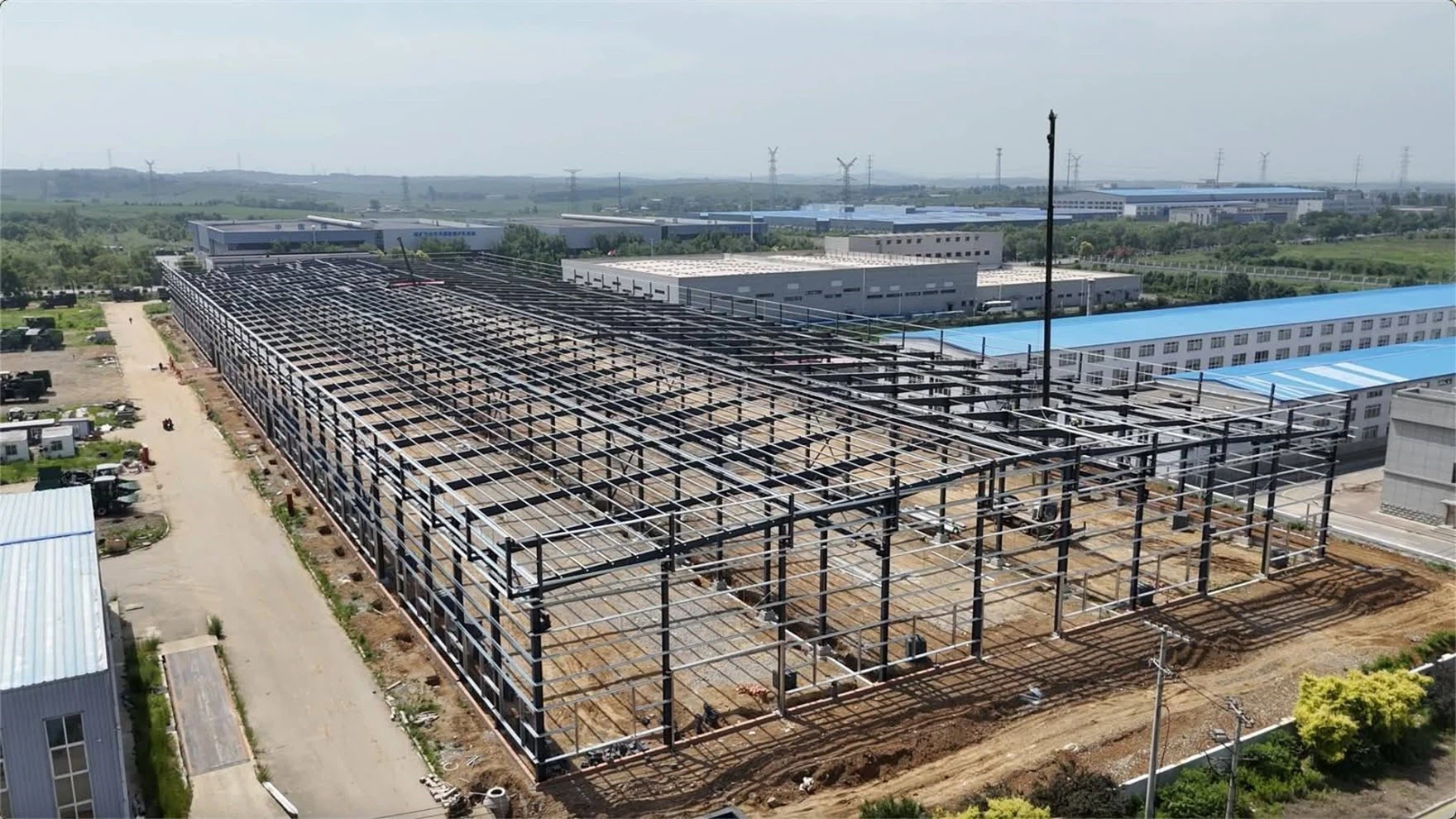
The Real Challenge: Construction Doesn't Stop When Power Does
From actual project cases in parts of East Africa and West Africa, one common issue stands out:
Work stops-not because materials are missing, but because electricity is unavailable.
Typical problems include:
On-site work interruptions
High generator fuel costs
Delays caused by waiting instead of progressing
Increased labor inefficiency
If you follow a traditional construction method, delays become almost unavoidable.
So the real question becomes:
👉 How do you keep the project moving even when electricity is unstable?
1. Move Complexity Off-Site
One of the most effective strategies is to reduce what needs to be done on-site.
Instead of building everything at the project location, shift as much work as possible to a controlled environment.
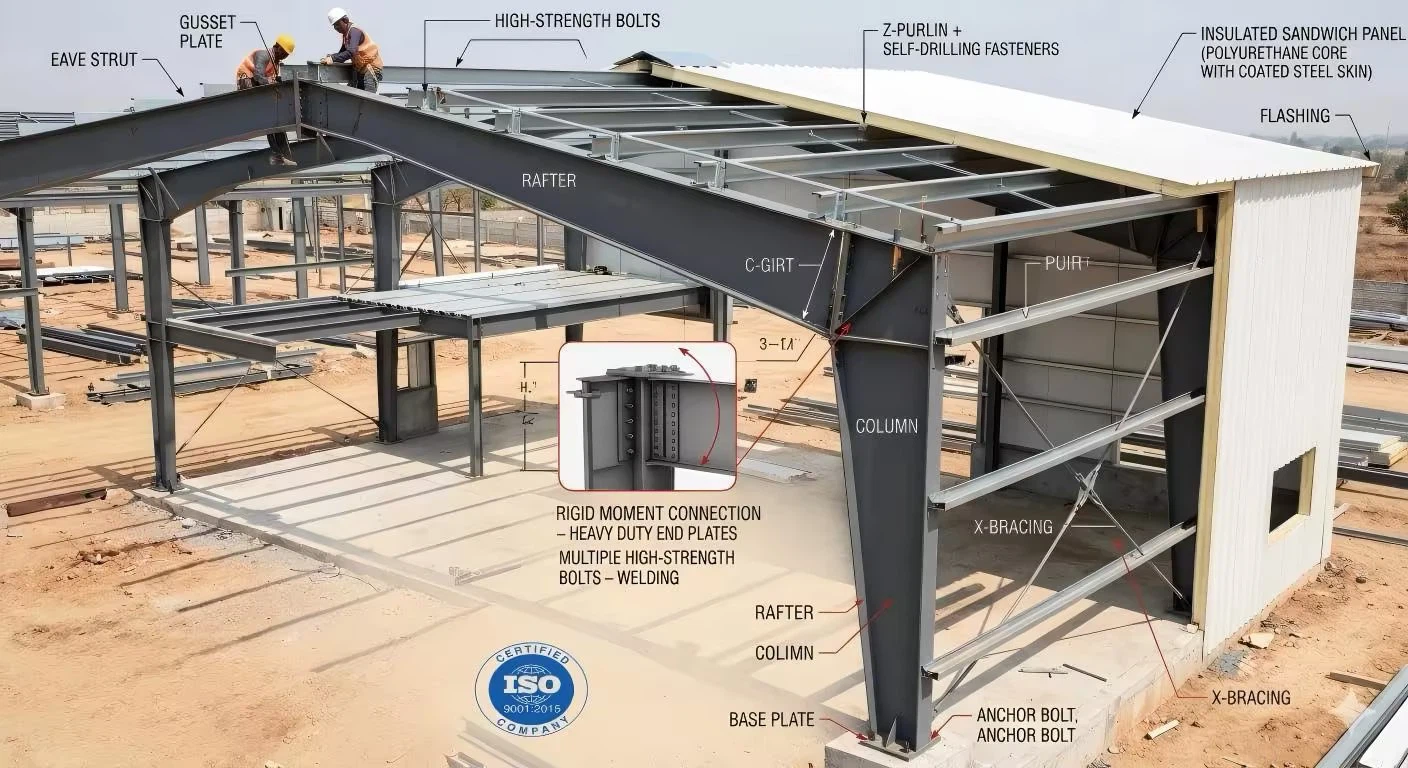
This is why many projects now use prefabricated steel warehouses:
Components arrive pre-cut and pre-drilled
No heavy on-site processing required
Installation becomes simple assembly
In one logistics warehouse project in West Africa, this approach helped keep construction progressing even during frequent power interruptions.
2. Design So Work Can Continue Without Power
Instead of designing construction steps that rely on continuous electricity, adapt your method to real conditions.
Practical approaches include:
Using bolted connections instead of welding
Minimizing on-site cutting
Pre-planning installation steps
This allows your project to continue even during outages-reducing idle time and improving efficiency.
3. Use Generators Strategically (Not Constantly)
Generators are necessary-but using them as the core of your construction process can quickly increase costs.
A smarter approach is:
Use generators only for key tasks
Avoid running them continuously
Reduce dependency through prefabrication
This can significantly lower fuel consumption and project costs.
4. Simplify Logistics Before Construction Starts
Transportation challenges often create more delays than construction itself.
To avoid this:
Use container-friendly design
Label components clearly
Plan installation sequence in advance
Well-organized delivery reduces confusion, especially when working under limited power conditions.
5. Focus on Fast Installation
Time is a critical factor when working in low-infrastructure environments.
A faster project means:
Lower fuel costs
Fewer delays
Reduced coordination issues
Simplified structural systems and standardized components can help keep installation efficient and predictable.
6. Adapt to Local Climate Conditions
Your warehouse should work with the environment, not against it.
Consider:
Ventilation instead of relying only on powered cooling
Drainage systems for heavy rainfall
Corrosion protection for coastal regions
This reduces dependence on electricity and improves long-term performance.
7. Plan for Low-Energy Operation
After construction, the warehouse should remain functional even with limited power.
You can achieve this by:
Using natural lighting
Designing airflow for ventilation
Minimizing reliance on electrical systems
This ensures long-term usability and lower operating costs.
8. Choose a Practical, Proven Approach
Not all designs are suitable for real project conditions in Africa.
The best solutions are those that:
Reduce on-site complexity
Require less infrastructure
Have been applied in similar environments
Because ultimately, success depends on whether the project can be completed smoothly-not how complex the design is.
Not Sure If Your Project Can Work Under These Conditions?
If you're currently facing challenges such as:
No stable electricity on-site
Remote project location
Unclear construction approach
You don't have to figure everything out alone.
👉 You can get a quick, practical recommendation based on your project conditions.
Just share:
Your project country
Estimated warehouse size
Intended use
We can help you check:
Whether your project can be built with low electricity dependency
What structure type fits your situation
How to reduce construction risk and cost
Start With a Simple Assessment (Free)
Before making any decisions, it's often helpful to get a basic feasibility suggestion.
👉 You can request:
A preliminary warehouse layout
Suggested structure type
Estimated construction approach
This is especially useful if your project is still in the early planning stage.
Final Thought
In regions without stable electricity, the goal is not to build the most complex warehouse-but the one that can actually be completed and used efficiently.
Projects that succeed are those designed around real conditions-where construction continues even when power does not.
👉 If your project faces similar challenges, starting with the right approach can save you months of delays and unnecessary cost.


